Showing posts with label Northcliffe. Show all posts

Monday, 18 October 2010

Tabloid Nation Seminar Paper

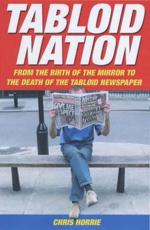
Tabloid Nation is mainly about the Daily Mirror. It documents the papers timeline and owners, including parts of the Daily Mail’s history too. The two papers have grown up together. The Daily Mail being the big brother and the Daily Mirror being the younger; always taking a back seat to the eldest. Both owners, Northcliffe and Rothermere took more interest in the Daily Mail and much less in the Mirror; and it showed.

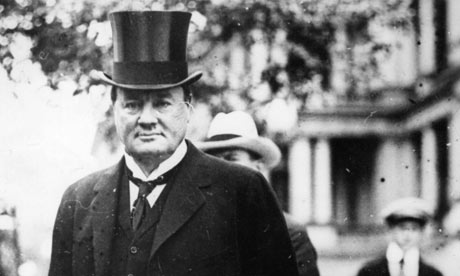
Alfred Harmsworth, made Baron Northcliffe in 1905 owned both the Daily Mirror and the Daily Mail. He once described the Mirror as his, “bastard offspring”. It was given a bad name and looked upon as a trashy newspaper. However, Northcliffe first started the paper with women in mind of reading, and producing it. This is didn’t go down too well as they didn’t write about news, they wrote about their own daily lives and articles that no lady in Britain would care about; such as the weather in Cairo. This didn’t work but was an idea that works today. The Daily Mail, today is a paper very much for women. They have a section called, ‘femail’ in which there are story’s that women care about. These articles include fashion, cookery and news stories that take the female perspective. This is the paper that has most of its circulation read by women, meaning that advertisers who are aiming towards the female market choose this newspaper to put their articles in. This was a pioneering idea, just for the wrong century.

Northcliffe also head hunted two of William Randolph Hearst’s employees. These were Kennedy ‘KJ’ Jones and Alexander Kenealy. Northcliffe knew that Hearst was pushing the frontier forwards with newspapers and that Kenealy and Jones would be great at helping him pull up The Mirror from the dumps. Both had worked on yellow journalism with Hearst and would be able to apply what they had learned to The Mirror. Yellow journalism had come about because of the competition between Hearst at the New York Journal and Joseph Pulitzer from The New York World. Hearst stole the yellow kid from Pulitzer and reinvented the normal newspaper to a tabloid paper. This focused on more pictures, less writing and punchier headlines in a large, bold font. This is what Northcliffe knew would help with the Mirror in upping circulation. The Mirror was one of the first newspapers to turn in to a Tabloid in Britain and has stayed true to itself today with the large red banner, plenty of photos and simple, small articles.

Hannen Swaffer was the very first photo-journalist. He worked at The Mirror with Northcliffe and Kenealy. Though they often fought they worked well together. Circulations improved with Kenealy doing the writing and Swaffer providing the photos. Swaffer turned the Daily Mirror in to the Illustrated Mirror and had a circulation of 71,000. This was largely due to the picture on the front page of King Edward 7th, dead. Pictures were largely never used in those days. This is why the paper sold so well. People would normally never see the King and most definitely would never see him on his deathbed, so the fact that The Illustrated Mirror was allowing this and showing the Nation their King was new to the readers. This allowed them to see their King, disasters in other countries, Mount Vesuvias in Italy, the man that had his shop burgled, et cetera. The readers were able to see for themselves instead of having it described to them in a lengthy article. This, of course, made the paper more appealing and increased circulation.

When Northcliffe died in 1922, his younger brother, Rothermere took over the Daily Mail. He had already bought the Daily Mirror from Northcliffe a few years before for a £100. Rothermere spent a lot of the Mirrors money on competitions and promotions as well as investing in £8 million on The Daily Mail Trust. Rothermere had to dig The Mirror out of low circulation but wasted the money on trying to profit The Mail. Once again The Mirror was being left on the backburner whilst its older brother reeked the rewards.

Rothermere made the circulation of The Mirror sink further after using it to promote Oswald Mosley, The black shirts, Hitler and the fascist movement. These next few years were the worst for The Mirror and was only improved when Harry Guy Bartholomew, or Bart to his friends took control and tried to focus the yellow journalism again. Bart invented the ‘Bartlane’, a system where pictures are sent over radio wires. Bart accomplished this with Captain Mcfarlane. This made it possible to share pictures between America and Britain within hours, not weeks or months. This was innovative journalism and helped The Mirror have better pictures, thus enticing a larger readership.

Bart, together with Cecil Harmsworth King, Northcliffe and Rothermere’s cousin started work on The Mirror with The Daily News in mind. The Daily News was the best selling American Tabloid. Together they pulled The Mirrors circulations figures back up and set it as a tabloid, a tabloid that still follows the same rules today. Many pictures, small, simple articles and large, attention grabbing headlines.

Throughout it's history it has been sidelined by its owners but the editors have been the ones to turn it around, to put it ahead of the rest and to put in the forefront for breaking news and new ways of developing papers and tabloids. At the beginning there was Northcliffe that made it in to a women's newspaper, which didn't work, but only because of the decade it was in. Then there was Swaffer with his pictures. Newspapers used to just be lines and lines of words with no pictures. Pictures are the essence of Tabloid journalism and Swaffer was the first photo journalist. Lastly Cecil and Bart bought the paper in to its true identity of a Tabloid. After a messy start The Daily Mirror has become what it is today and is going strong with a circulation of 1,232,961 daily.

Wednesday, 6 October 2010

Tabloid Nation Notes

An easy and interesting read by Chris Horrie. I actually found myself reading on from the allocated section because it was so intriguing, which is not normal for HCJ reading. I decided to write a few facts from the reading down to take all the facts in and make sure that I didn't get too confused with its history.

The book is mainly about the Daily Mirror. It documents the papers timeline and owners, including parts of the Daily Mails history too. The two papers have grown up together. The Daily Mail being the big brother and the Daily Mirror being the younger; always taking a back seat to the eldest. Both owners, Northcliffe and Rothermere took more interest in the Daily Mail and much less in the Mirror; and it showed.

Alfred Harmsworth, made Baron Northcliffe in 1905 made Fyfe the Editor in 1865 of the Daily Mirror. Northcliffe's hope was that Fyfe would be able to turn around the paper and improve circulation. Fyfe's first job was to get rid of the female journalists and change the stories the paper printed. It was said that on the Friday it was a women's paper, writing about weather reports, gossip and what was happening in their day to day lives to Monday morning being a men's run, man reading paper. Fyfe fired every female journalist apart from the editor, Mary Howarth who stayed on as a fashion writer.

Northcliffe later said that he didn't know how he talked himself into, "so mad a frolic as a paper for ladies". It cost him £3,000 a week with circulation figures quickly dropping to 25,000, something needed to be done.

Hannen Swaffer turned the paper round from a circulation of 25,000 to just under a million in a few years by making it a picture paper. It wasn't meant to be a serious paper that provided information but a paper that was something for people to look at on their way to work.

Northcliffe also head hunted Kennedy 'KJ' Jones from William Randolph Hearst in New York. Jones had been working with Hearst for a while and was an old hat at 'yellow journalism'. Yellow journalism started when Hearst stole the yellow kid from Joseph Pulitzer's paper, The New York World, a cartoon strip about a working class boy standing up against the rich. New York being the City of thousands of poor immigrates from all over Europe, was the prime location for the yellow kid. Kennedy Jones worked with Swaffer to make the Mirror in to a tabloid.

It was officially a tabloid after King Edward the sevenths death. Keneally and Swaffer overheard a rival newspaper talking about having the pictures of the King on his death bed and maybe writing about the pictures. Swaffer then got the pictures and put them over the front page; after Keneally had given him the money to purchase the pictures. This copy of the newspaper sold 71,000 copies over two days. These were pictures that the public would never normally see, this is why the circulation was so high. This also put The Mirror ahead of the game, with having the confidence to put the photos straight on to the front page rather than just writing about the pictures. These pictures blasted the paper to the category of the Tabloid and the relationship with the Royals began. The readers will always be interested in their Royal Family.

Northcliffe, yet again, head hunted Alexander Kenealy from Hearst to take over from Fyfe. Swaffer argued with Kenealy and Northcliffe frequently about the pictures he bought in. They were exotic and a first for any newspaper. Swaffer once had a photographer take pictures from inside the mouth of Mount Vesuvias. These pictures meant a lot to Swaffer as he was the one to be redesigning the paper with them. Swaffer made the circulation sky-rocket with some of the pictures he bought. This made it inevitable when Northcliffe wanted Swaffer to allow The Mail for first sign off on pictures, this was not Swaffer's paper he was improving and not the paper he cared about with the circulation.

They then argued about pictures of the Titanic. Swaffer wanted them throughout the newspaper, including the back page but Northcliffe wouldn't allow it. Then the final argument came about some boxing photos that Swaffer wanted printed but, again, Northcliffe wouldn't allow it. The boxing had been between a white man and a black man; who then won. This caused riots, racism and killing. Northcliffe said that he didn't want his paper associated with such things and as a result the pictures wouldn't be in the paper. This was the final blow for Swaffer, he quit and joined the Daily Sketch; the competition for the Daily Mirror.

After naming The Mirror, Northcliffe's, "bastard offspring", he sold it to his younger brother, Rothermere for £100. He neglected the paper with his penny-pinching ways and using more of his time on his other job of the Air Ministry.

Ed Flynn took over from Kenealy and made The Mirror, the 'forces paper', and arranged for distribution in the trenches. This increased the circulation to 1.7 million in the first year of war.

After Northcliffe died in 1922, Rothermere took over his other papers, including The Daily Mail. Once again The Mirror was given a back seat to its older brother. Rothermere started campaigning for the fascist movement, Hitler and Oswald Mosley. The next few years were the worst for The Mirror.

Harry Guy 'Bart' Bartholomew took over in 1934 of The Mirror. He was the inventor of the 'Bartlane'. Together with Captain Mcfarlane they were able to send pictures via radio wire between America and Britain. This meant that they could share pictures within hours not weeks or maybe months.

The Nephew of Northcliffe and Rothermere, Cecil Harmsworth King worked with Bart to take The Mirror in another direction. The direction of the New York style tabloid, a direct copy of The Daily News - America's best selling tabloid newspaper.

Throughout it's history it has been sidelined by its owners but the editors have been the ones to turn it around, to put it ahead of the rest and to put in the forefront for breaking news and new ways of developing papers and tabloids. At the beginning there was Northcliffe that made it in to a women's newspaper, which didn't work, but only because of the decade it was in. Then there was Swaffer with his pictures. Newspapers used to just be lines and lines of words with no pictures. Pictures are the essence of Tabloid journalism and Swaffer was the first photo journalist. Making the paper follow the forces and have a reason behind the paper is done many times today; including following the war in Iraq. Lastly Cecil and Bart bought the paper in to its true identity of a Tabloid. After a messy start The Daily Mirror has become what it is today and is going strong.